Thought-Provoking Poetry Prompts for Self-Discovery
- Raj Dahal

- Mar 6, 2025
- 4 min read
Introduction
Poetry is more than just words on a page. It’s a gateway to understanding yourself on a deeper level.
When you write poetry, you tap into your emotions, memories, and aspirations. It becomes a mirror reflecting your innermost thoughts.
If you're looking for a creative way to explore who you are, poetry prompts can guide you. They help you put feelings into words and uncover parts of yourself you may not have noticed before.
In this article, you’ll find a collection of poetry prompts designed to spark self-discovery. Whether you're a seasoned poet or just starting, these prompts will inspire meaningful reflection.
Let’s dive into the power of poetry and how it can lead you to a greater understanding of yourself.
The Power of Poetry in Self-Discovery

Writing poetry is a personal and transformative experience. It allows you to slow down and process your emotions in a creative way.
Through poetry, you can explore themes like identity, personal struggles, and dreams. The act of writing itself can bring clarity to complicated feelings.
Poetry also helps with emotional healing. Expressing emotions through verse can be a powerful release. When you put thoughts into words, you gain perspective on past experiences.
Self-discovery through poetry doesn’t require complex language or strict rules. The beauty of poetry is that it can be as structured or as free-flowing as you like. The goal is not perfection—it’s self-expression.
Using poetry prompts can make the writing process easier. A simple question or image can unlock emotions and memories that lead to deep insights.
Now, let’s explore some poetry prompts that will help you reflect on yourself, your emotions, and your journey.
Thought-Provoking Poetry Prompts
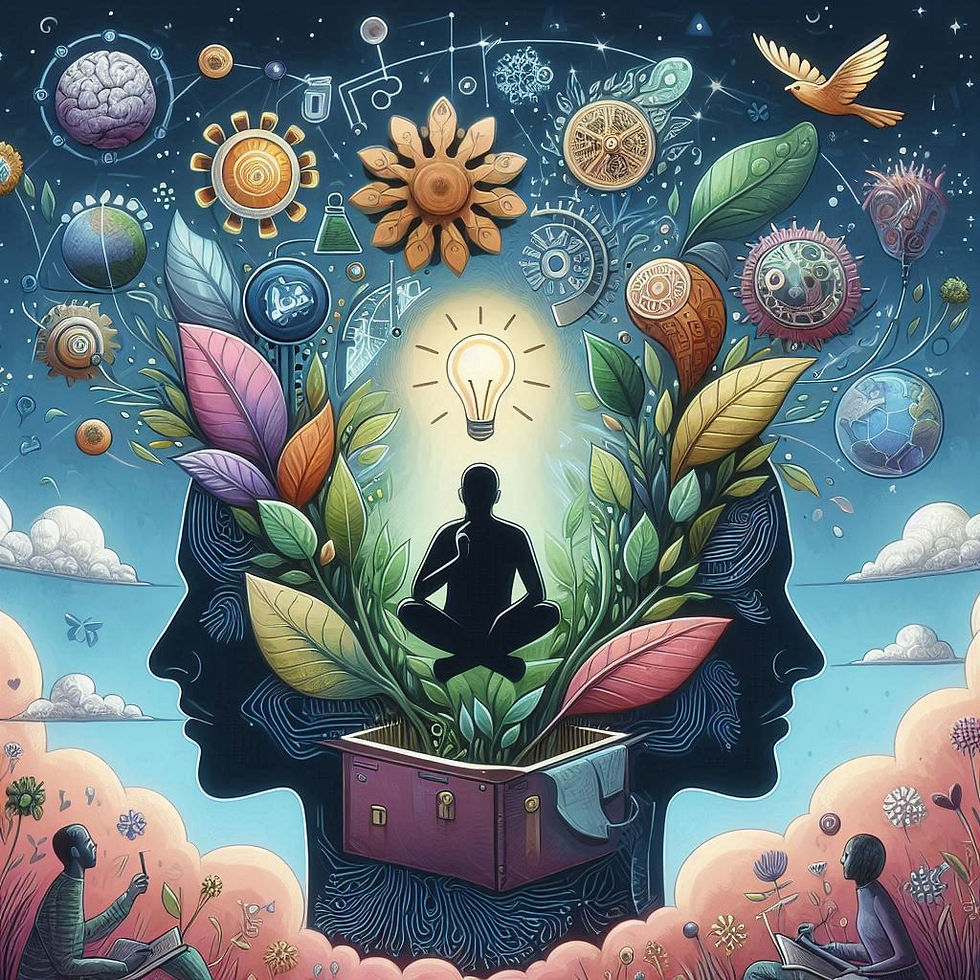
Identity and Growth
Write a poem about the person you were five years ago and how you’ve changed.
Describe yourself using only metaphors. What objects, colors, or elements represent you?
Imagine meeting your childhood self. What advice would you give them?
If you could rename yourself, what name would you choose and why?
Write about a defining moment in your life that shaped who you are today.
Self-discovery begins with understanding who you are and how you’ve evolved. These prompts encourage reflection on personal growth and identity shifts.
Emotions and Healing
Write a letter to your past self as a poem, forgiving them for something.
Describe an emotion you’ve struggled with as if it were a person. What would it say to you?
Think of a scar (physical or emotional). Write about the story it holds.
Create a poem using only the words of a song lyric that speaks to your soul.
Write about a time you found light in darkness.
Poetry allows you to process emotions that may be difficult to express in daily life. These prompts help uncover hidden feelings and foster emotional healing.
Nature and Reflection
Compare your life journey to the changing seasons. Which season are you in now?
If you were an ocean, mountain, or tree, what would you be? Why?
Write a poem inspired by the way the rain makes you feel.
Describe a moment in nature that made you feel at peace.
Use the image of a river flowing to symbolize your current path in life.
Nature often mirrors human emotions. These prompts help connect inner experiences with the world around us, offering insight into personal reflection.
Dreams and Aspirations
Write about a dream you’ve had that still lingers in your mind.
If fear didn’t exist, what would you do? Write a poem as if you’ve already done it.
Imagine your future self has achieved everything you desire. What would they tell you now?
Create a poem using the phrase “One day, I will…”
Describe the feeling of chasing a dream that seems just out of reach.
These prompts encourage you to explore your aspirations and the obstacles that may be holding you back. Writing about your dreams can bring them closer to reality.
Relationships and Connections
Write about a person who changed your life, even if they were only in it briefly.
Describe love without using the words ‘love’ or ‘heart.’
Write a poem as if it were an unsent letter to someone.
Explore the meaning of family through poetry. What does family mean to you?
Think of a moment of connection with a stranger. Write about what it meant to you.
Human relationships shape our experiences and emotions. These prompts help explore the depth of connections with others and how they influence personal growth.
How to Use These Prompts for Deeper Insight

Writing poetry is not just about creating something beautiful—it’s about self-exploration.
To get the most out of these prompts:
Write without judgment. Don’t overthink your words; let them flow naturally.
Revisit past prompts. Your perspective may change over time, offering new insights.
Experiment with different forms. Try free verse, haiku, or spoken word.
Read your poetry aloud. Hearing your words can add a new layer of understanding.
Keep a poetry journal. Reflect on how your writing evolves as you continue your journey.
Self-discovery is an ongoing process, and poetry can be a valuable tool for deepening your understanding of yourself.
Conclusion
Poetry has the power to reveal hidden emotions, provide clarity, and foster self-awareness.
By using these thought-provoking prompts, you can explore your identity, emotions, dreams, and relationships in a meaningful way.
Whether you write occasionally or every day, poetry can be a source of insight and healing.
Take the time to explore these prompts and discover what your words reveal about you. Your poetry might just surprise you.


Comments